
Should I Repair or Replace My Roof After a Storm?
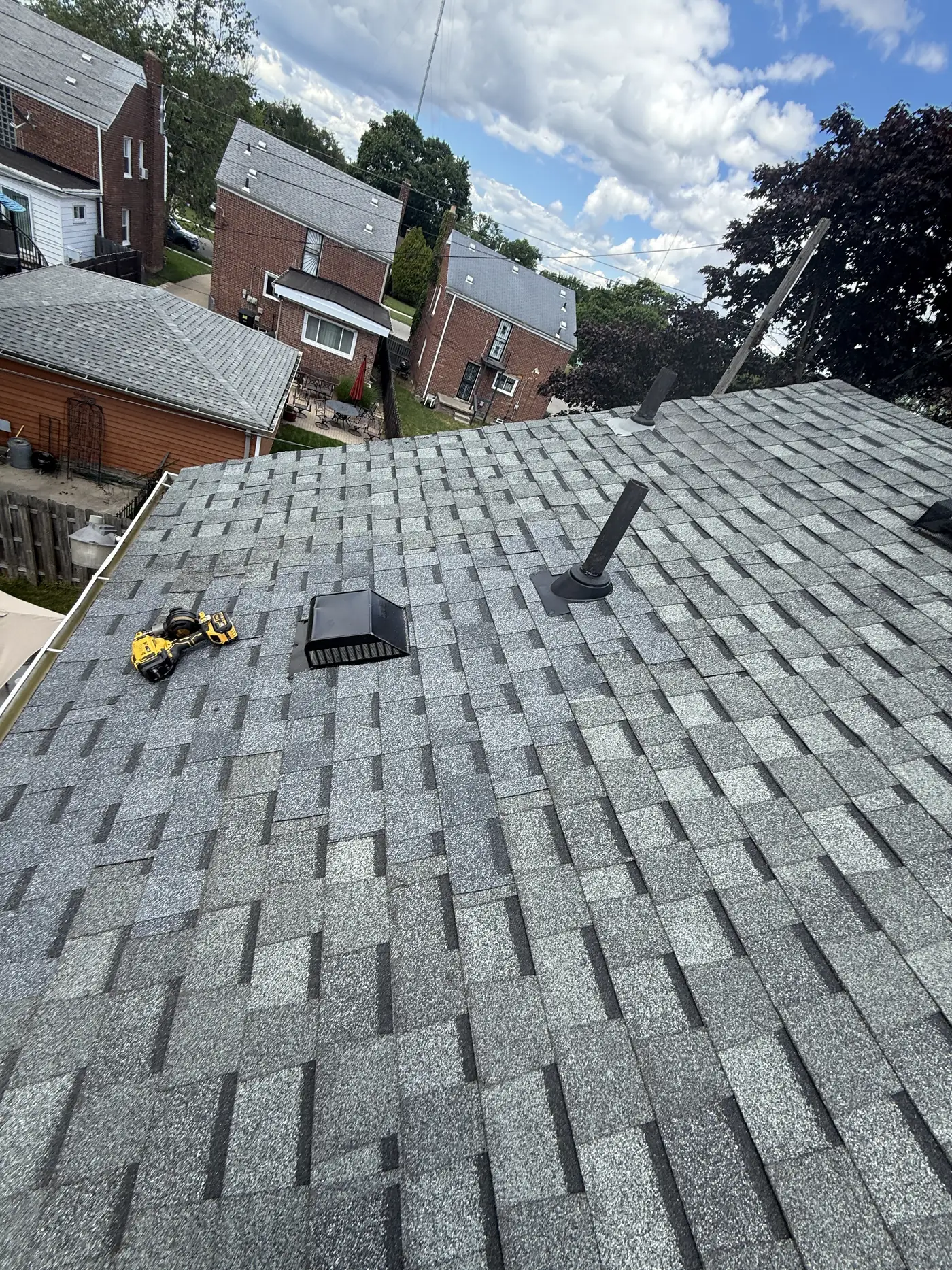
Short answer: if a storm damaged one area of a roof that is otherwise in good shape, a repair usually does it. If the damage is spread across the roof, the roof is near the end of its life, or matching shingles cannot be found, replacing it is often the better choice. Get the roof inspected with photos before you decide.
What to Do in the First Few Days
- Stay off the roof. Wet or damaged shingles are slippery, and you can make the damage worse.
- Look from the ground. Check for missing shingles, lifted tabs, bent flashing, dented gutters and shingle pieces in the yard.
- Check inside. Look for water stains on ceilings, wet spots in the attic, or drips around chimneys and skylights.
- Take photos of everything, inside and out, with the date.
- Stop more water getting in if you can do it safely, and keep receipts for anything you spend on temporary protection.
If you have homeowners insurance, the Michigan Department of Insurance and Financial Services (DIFS) suggests calling your insurance company soon after the damage and before you sign with a contractor. DIFS also reminds homeowners that you have the right to choose your own contractor.
What Michigan Storms Do to a Roof
Southeast Michigan gets a mix of storm damage through the year. Knowing what each kind looks like helps you know what to point out to the roofer:
- High wind. Spring and summer thunderstorms and strong fall winds lift and tear off shingles, usually starting at edges, ridges and corners where wind hits hardest.
- Hail. Hail can leave dark spots where granules were knocked off, dents in metal vents, gutters and downspouts, and cracks in older shingles. It is often easier to see on soft metal than on the shingles themselves.
- Fallen trees and branches. A heavy limb can crack shingles, break decking, or damage gutters and flashing. Older trees near Novi and Northville homes make this common after big wind storms.
- Heavy snow and ice. Winter storms bring ice dams along the eaves and heavy snow loads. Water backing up under shingles can show up as stains on ceilings near outside walls weeks later.
Some storm damage is easy to miss from the ground. A lifted shingle may look fine but no longer be sealed, and a small dent in a vent can mean hail hit the shingles too. That is why photos taken on the roof are worth having before you decide anything.
Signs a Repair Is Enough
- Wind pulled off or lifted shingles on one slope or one section, and the rest of the roof is solid.
- A branch hit one spot and the decking underneath is sound.
- Flashing around a chimney, vent or wall came loose, but the shingles are fine.
- The roof is fairly new, and the same shingle is still made, so the repair will match.
Wind damage often starts at the seal strip that holds each shingle down. Once that seal breaks, the shingle can flap and tear off in the next storm. A good repair reseals or replaces the loose shingles before that happens.
Signs It Is Time to Replace
- Damage on many slopes, not just one spot. Hail often bruises shingles across the whole roof.
- The roof was already old. If shingles were curling, cracking or losing granules before the storm, patching them may not last.
- Leaks in more than one place, or soft and rotted decking found under the shingles.
- No matching shingles. If your shingle is no longer made, a repair can look patchy, and some homeowners choose to replace the roof instead.
- Two layers already on the roof. Michigan code limits stacked layers, so a big repair may mean a full tear off anyway.
How Insurance Fits In
Whether a storm repair or a new roof is covered depends on your policy, so read it and ask your insurance agent. A few things to know:
- Some policies pay replacement cost, and some pay actual cash value, which takes off for the age of the roof. Your declarations page says which one you have.
- Insurers usually want to see the damage before permanent repairs are made, so ask before you replace anything.
- The insurance company and its adjuster decide what the policy covers.
Here is what we do and what we do not do. We inspect the roof, take photos of the damage and give you a written estimate you can send with your claim. We do not file, manage or negotiate insurance claims. That stays between you and your insurance company.
Watch Out for Storm Chasers
After big storms, out of town crews often go door to door. DIFS warns homeowners about these red flags:
- Pressure to sign a contract on the spot.
- Demands for full payment before work starts.
- Asking you to sign your insurance check over to them.
- No local address, no license and no proof of insurance.
You can check any contractor's Michigan license for free at michigan.gov/licenselookup. If you have a problem with how an insurance claim is handled, DIFS takes complaints at 877-999-6442.
If You Replace, Build It for Michigan Weather
A new roof is a chance to make it stronger than the old one. Ask about architectural shingles with a high wind rating, an ice and water barrier along the eaves and in the valleys, new flashing, and good roof venting. The Insurance Institute for Business and Home Safety (IBHS) also rates shingles for hail, and suggests choosing ones rated Good or Excellent if hail is a concern.
Crown has been family owned in Novi since 1952, serving Northville, Livonia, Farmington Hills and nearby towns. After a storm, we inspect for free, show you photos of what we found, and tell you honestly whether a repair will hold or a new roof makes more sense. When both make sense, the written estimate shows both so you can choose. Call (734) 427-3981 or see our roof repairs.
Questions
Can a storm damaged roof just be repaired?
Often yes. If the damage is in one area and the rest of the roof is in good shape, replacing the damaged shingles and flashing usually fixes it. Widespread damage or an old roof is more likely to need replacing.
Should I call my insurance company or a roofer first?
Michigan DIFS suggests contacting your insurance company soon after the damage and before signing with a contractor. You still have the right to choose your own contractor.
Does Crown Contracting handle insurance claims?
No. Crown inspects the roof, takes photos of the damage and gives you a written estimate to send with your claim. The claim itself is between you and your insurance company.
How do I spot a storm chaser roofer?
Watch for door to door crews with no local address, pressure to sign right away, demands for full payment up front, or requests to sign your insurance check over to them. Check their license at michigan.gov/licenselookup.
Related: Roof and storm repairs, Roof replacement, Financing